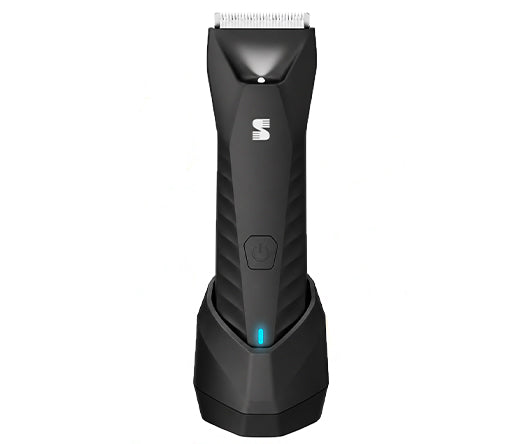
Choosing the right manscaping trimmer depends on one simple question: what kind of grooming result do you want to achieve? A good trimmer should match your preferred body areas, target hair length, level of control, and maintenance habits. For most users, the best choice is not the tool with the most features, but the one that fits their regular grooming routine.
Before buying, consider where you plan to use the trimmer, whether you want a neat trim or a shorter finish, how much control you need during grooming, and how easy the device is to clean. These factors create a practical framework for comparing different options and avoiding a tool that does not match your needs.
Understanding the Role of a Manscaping Trimmer
A manscaping trimmer is designed primarily for managing body hair by cutting hair to a controlled length rather than completely removing it. Unlike tools designed for a single purpose, a trimmer often focuses on flexibility: maintaining different areas, adjusting hair length, and creating a consistent appearance.
The main advantage of a trimmer is control. Instead of removing all hair, users can choose a preferred length that works for different grooming goals. This makes trimming suitable for areas where maintaining a natural look, reducing bulk, or keeping hair tidy is the priority.
When selecting a trimmer, think about your personal routine rather than a general idea of what a grooming tool should do. Someone who only trims occasionally may value simplicity and easy maintenance, while someone who regularly manages multiple body areas may need more adjustment options and better handling comfort.
Key Criteria for Choosing the Right Trimmer
Several factors determine whether a manscaping trimmer will work well for your routine. The following criteria can help you evaluate your options more effectively.
1. Consider the Areas You Plan to Groom
Different body areas have different grooming requirements. A tool that works well for larger areas may not provide the same level of control in smaller or more sensitive areas.
For larger body areas, such as the chest, arms, legs, or back, users often prioritize efficiency and comfortable handling. A trimmer that covers more surface area can make regular maintenance easier.
For areas that require more precision, control becomes more important than speed. A compact design, clear visibility, and the ability to adjust trimming length can help users work more carefully.
The key question is not simply “Can this trimmer cut hair?” but rather “Can this trimmer provide the control I need where I intend to use it?”
2. Match the Tool to Your Desired Length and Finish
Hair length is one of the most important factors when choosing a trimmer. Different grooming goals require different levels of adjustment.
| Grooming goal | What to consider |
|---|---|
| Keeping a natural appearance | Look for adjustable length settings that allow moderate trimming |
| Reducing overall hair volume | Consider a tool that provides efficient coverage |
| Maintaining a neat, controlled look | Prioritize consistent trimming performance and easy adjustments |
| Creating a shorter finish | Look for precise control while considering your preferred comfort level |
A common mistake is choosing a trimmer based only on how short it can cut. Maximum closeness is not always the most important feature. A practical choice should provide the level of trimming control you will actually use.
Comparing Features and Their Practical Tradeoffs
Once you understand your grooming needs, the next step is evaluating specific features. Each feature usually involves a balance between convenience, control, and maintenance.
Adjustable Length Settings
Length adjustment is one of the most useful features because grooming preferences can change depending on the body area or personal style.
More adjustment options can provide greater flexibility, but some users may prefer a simpler setup that does not require managing many settings. The best approach is to choose a range that matches your normal grooming habits.
Handling and Control
A trimmer should feel manageable during use. Control matters especially when working around areas that require more careful movements.
Factors such as grip design, balance, and ease of movement can influence the overall experience. A tool that feels comfortable in your hand may be easier to use consistently than one that focuses only on additional functions.
For those exploring different options, a dedicated collection of body grooming tools such as a manscaping trimmer can help organize choices around common grooming needs and usage scenarios.
Cleaning and Maintenance
Regular cleaning is an important part of keeping any grooming tool working properly. Hair buildup can affect performance over time, so users should consider how easily the trimmer can be cleaned after use.
Before purchasing, check whether the cleaning process fits your routine. A tool that requires complicated maintenance may be less convenient for users who prefer quick grooming sessions.
Maintenance considerations may include:
-
How easily hair can be removed after trimming
-
Whether the cutting area is simple to access
-
How frequently cleaning is required based on usage
-
Whether storage is convenient for your routine
A practical grooming tool should not only perform well during use but also be easy to care for afterward.
Choosing a Trimmer Based on Your Grooming Scenario
Instead of comparing every available feature, it is often easier to choose based on your main usage scenario.
| User situation | Main priority |
|---|---|
| Occasional body grooming | Simple operation and easy maintenance |
| Regular full-body grooming | Versatility and comfortable handling |
| Maintaining different hair lengths | Adjustable settings and control |
| Focusing on specific areas | Precision and maneuverability |
This approach prevents unnecessary feature comparisons. A tool should support your routine, not make a simple task more complicated.
A Practical Buying Checklist
Before making a final decision, review these questions:
1. Where will you use the trimmer?
Identify the main body areas you want to maintain. Different areas may require different levels of precision and control.
2. What result do you want?
Decide whether you want light maintenance, reduced length, or a shorter finish. Your goal determines which features matter most.
3. How much adjustment do you need?
If you regularly change grooming styles or manage multiple areas, flexibility may be valuable. If your routine is simple, fewer settings may be enough.
4. Is the tool easy to maintain?
Consider whether cleaning and storage fit your lifestyle. Convenience often determines whether a tool becomes part of your regular routine.
5. Does it match your comfort and control preferences?
A suitable trimmer should feel easy to handle and appropriate for your intended use.
Final Thoughts: Choose Based on Your Routine, Not Features Alone
Selecting a manscaping trimmer is mainly about matching the tool to your personal grooming habits. Start with the areas you want to manage, decide the length and finish you prefer, and then evaluate control, cleaning, and maintenance requirements.
The right choice is the one that makes your regular grooming process simpler and more consistent. By focusing on practical needs instead of comparing features individually, you can find a tool that fits your routine and provides the level of control you are looking for.