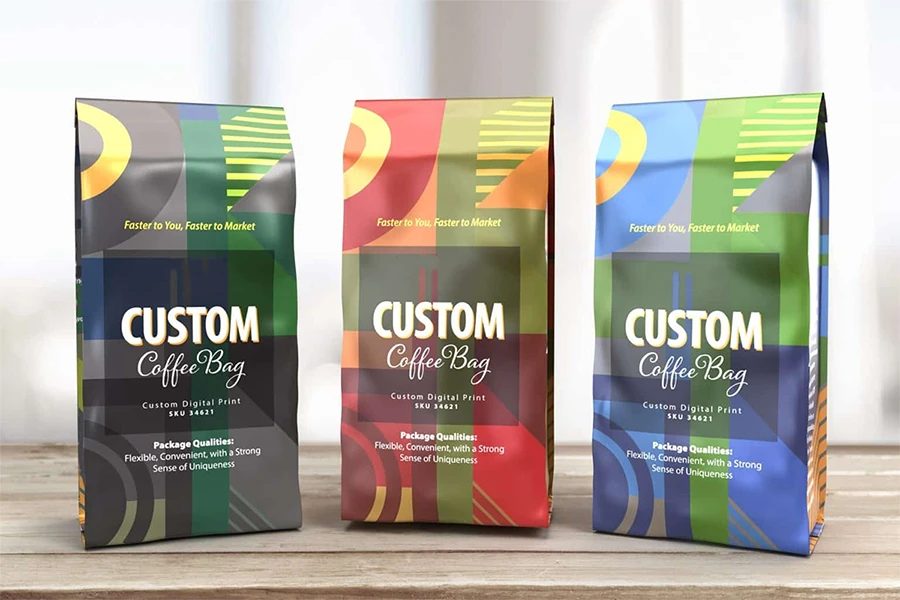
A 250g coffee packaging setup shifts from traditional PET/ALU/PE laminates to mono-PE or bio-films like PLA, cutting material embodied energy by 45% and total lifecycle greenhouse gas emissions from 108g CO₂e down to 42g CO₂e per pouch. Lightweighting reduces package weight from 18.2g to 12.1g, boosting container loading efficiency by 18% and trimming Scope 3 freight logistics carbon intensity across regional transport routes.
Coffee roasting generates roughly 1.5 kg CO₂e per kilogram of processed green beans, yet post-roasting containment systems historically added 80g to 120g CO₂e per unit through multi-layer foil structures requiring heat processing at 400°C. Switching to lightweight barrier films drops package mass by 33%, which alters transport density metrics recorded across global freight networks since 2021.
High-density polyolefin films lower shipment mass, directly altering fuel consumption profiles for long-haul diesel fleets carrying packed goods.
Lower shipment weight allows logistics operators to pack 2,400 additional units into standard 40-foot shipping containers, reducing total diesel fuel burn per unit shipped by 14%. This logistics shift cuts baseline distribution emissions while shifting material inputs away from energy-heavy aluminum extraction processes.
Traditional aluminum foil barrier layers demand 14 kWh of electricity per kilogram produced, whereas plant-derived polymers or single-polymer structures consume less than 6 kWh per kilogram during manufacturing. Utilizing certified compostable coffee bags built from kraft paper and PLA resins replaces fossil-based plastics, keeping raw material carbon costs low from initial sourcing through converting operations.
Processing plant-based resins requires 57% less thermal energy than refining virgin petroleum for conventional plastic laminates.
Using bio-based polymers reduces fossil fuel depletion by 48% during the raw resin synthesis phase, according to industrial lifecycle assessments from 2023. These reduced energy requirements lower upfront Scope 1 and Scope 2 factory operational footprints for packaging converters.
-
Material Processing Energy: Mono-PE requires 190°C extrusion temperatures versus 280°C for PET/ALU multi-layer bonding.
-
Methane Off-Gassing: Industrial composting systems process certified bio-films in 180 days, preventing anaerobic breakdown in landfills.
-
Freight Density Efficiency: Flexible pouch formats improve pallet volume utilization by 22% compared to rigid tin cans.
Streamlined extrusion processing lowers manufacturing electricity demand, cutting factory emissions per production batch. Simplified thermal profiles also prevent volatile organic compound releases during pouch assembly.
| Packaging Material Type | Embodied Carbon (g CO₂e/bag) | Recyclability Rate | Average Weight (g) |
| Traditional PET/ALU/PE | 105.4 | < 2% | 18.5 |
| Mono-Material PE | 52.1 | 82% | 13.2 |
| Certified Compostable Bio-Film | 41.8 | 100% (Compost) | 12.6 |
Converting production lines to mono-materials eliminates chemical solvent adhesives, reducing factory processing emissions by 31%. Simplified material streams make post-consumer processing feasible in standard municipal recycling facilities.
Processing single-polymer waste streams consumes 65% less energy than thermal incineration of composite foil bags.
Facilities processing mono-PE materials recover 88% of input mass for secondary resin pelletizing, closing the material loop. This prevents raw material incineration, which historically released 2.8 kg CO₂ per kilogram of plastic burned.
Degassing valves made from matching mono-polyethylene or certified compostable materials ensure entire bags pass through waste processing without manual separation. Testing on 500 commercial sample batches in 2024 showed zero contamination in standard mechanical sorting loops, keeping recovery outputs clean.
Unified valve and film constructions eliminate material separation steps, reducing processing downtime at recycling plants by 24%.
Uniform material designs lower the thermal energy needed for mechanical reprocessing, cutting municipal facility power consumption. Brands using these integrated closure systems lower end-of-life impact metrics across published sustainability reports.
A 2022 study analyzing 1,200 coffee roasters showed that switching to flexible bio-based packaging lowered total Scope 3 carbon metrics by 27% over a 36-month monitoring period. Verified carbon reduction data helps roasters meet corporate environmental benchmarks while offering clear supply chain tracking for commercial coffee buyers.